
Eclampsia Management
Expert recognition, prevention and emergency management of pre-eclampsia and eclampsia — protecting mother and baby when every minute matters.
Preventing the Preventable
Pre-eclampsia affects 2–8% of pregnancies and is characterised by high blood pressure, proteinuria, and multi-organ involvement after 20 weeks. If untreated, it can progress to eclampsia — seizures during pregnancy or up to 6 weeks postpartum — a life-threatening emergency.
Dr. Abha's expertise in early screening, risk stratification and aggressive management prevents the majority of cases from ever reaching the eclamptic stage.
Recognise the Warning Signs
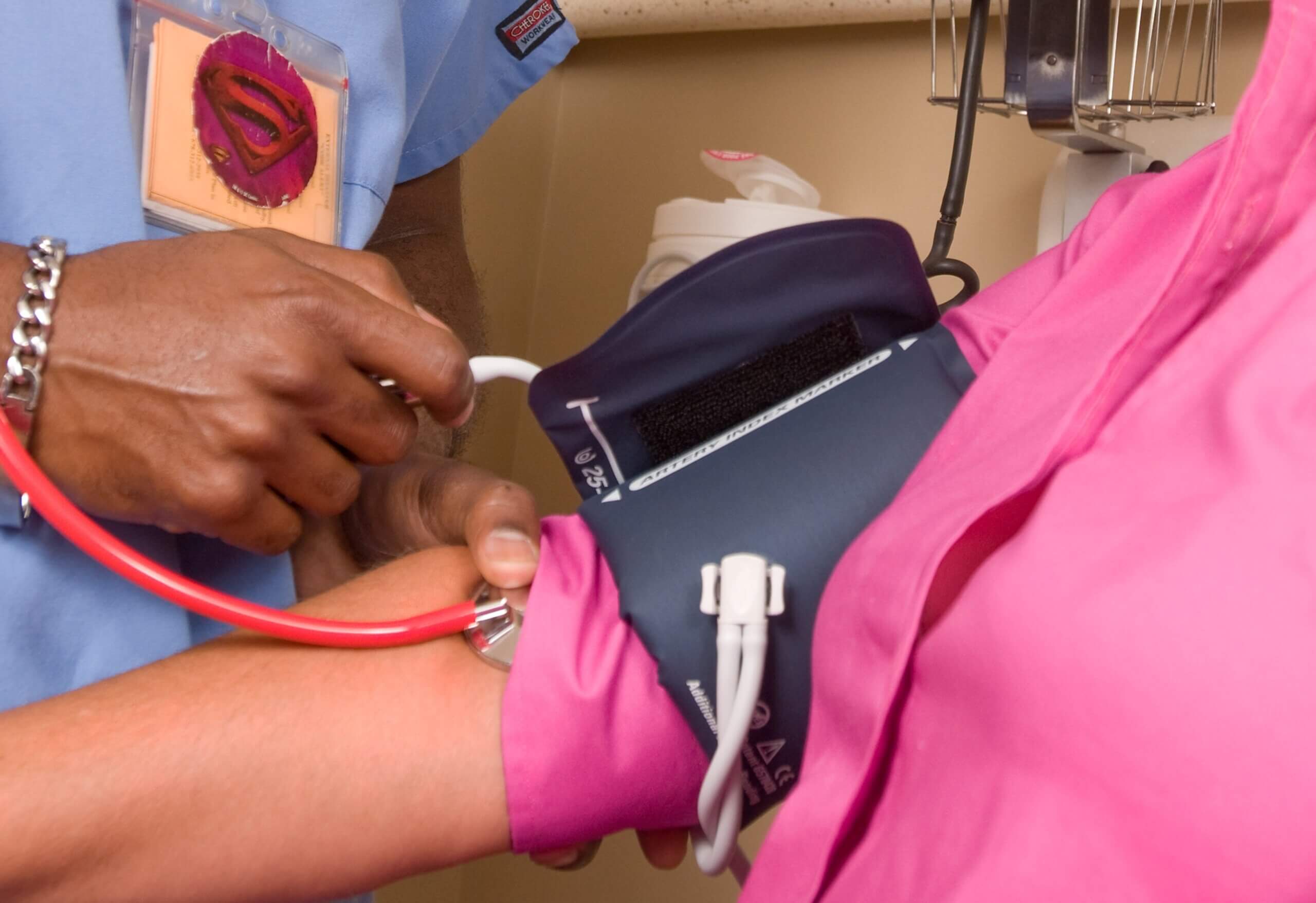
Blood Pressure ≥140/90
Any sustained elevation above 140/90 mmHg after 20 weeks warrants urgent evaluation. Severe hypertension (≥160/110) requires immediate treatment.
Proteinuria
Protein in the urine (≥300 mg/24 hours) combined with hypertension defines pre-eclampsia and signals kidney involvement requiring urgent management.
Severe Headache & Visual Changes
Persistent frontal headache, blurred vision, or seeing flashing lights (photopsia) are neurological warning signs of impending eclampsia.
Epigastric / RUQ Pain
Upper abdominal pain under the ribs on the right side signals liver capsule distension — a feature of severe pre-eclampsia and HELLP syndrome.
Sudden Oedema
Rapid facial or generalised swelling, especially combined with other symptoms, requires immediate blood pressure measurement and urine dipstick testing.
Seizures (Eclampsia)
Tonic-clonic convulsions in a woman with or without prior pre-eclampsia constitute eclampsia — a true obstetric emergency requiring IV magnesium sulphate immediately.
Our Emergency Management
Risk Stratification at First Visit
All patients are screened for pre-eclampsia risk factors: first pregnancy, prior PE, multiple pregnancy, BMI >35, pre-existing hypertension, diabetes, kidney disease, or autoimmune conditions.
Aspirin Prophylaxis
High-risk women are started on low-dose aspirin (75–150 mg nightly) before 16 weeks — reducing pre-eclampsia risk by up to 50% in susceptible individuals.
Close Monitoring
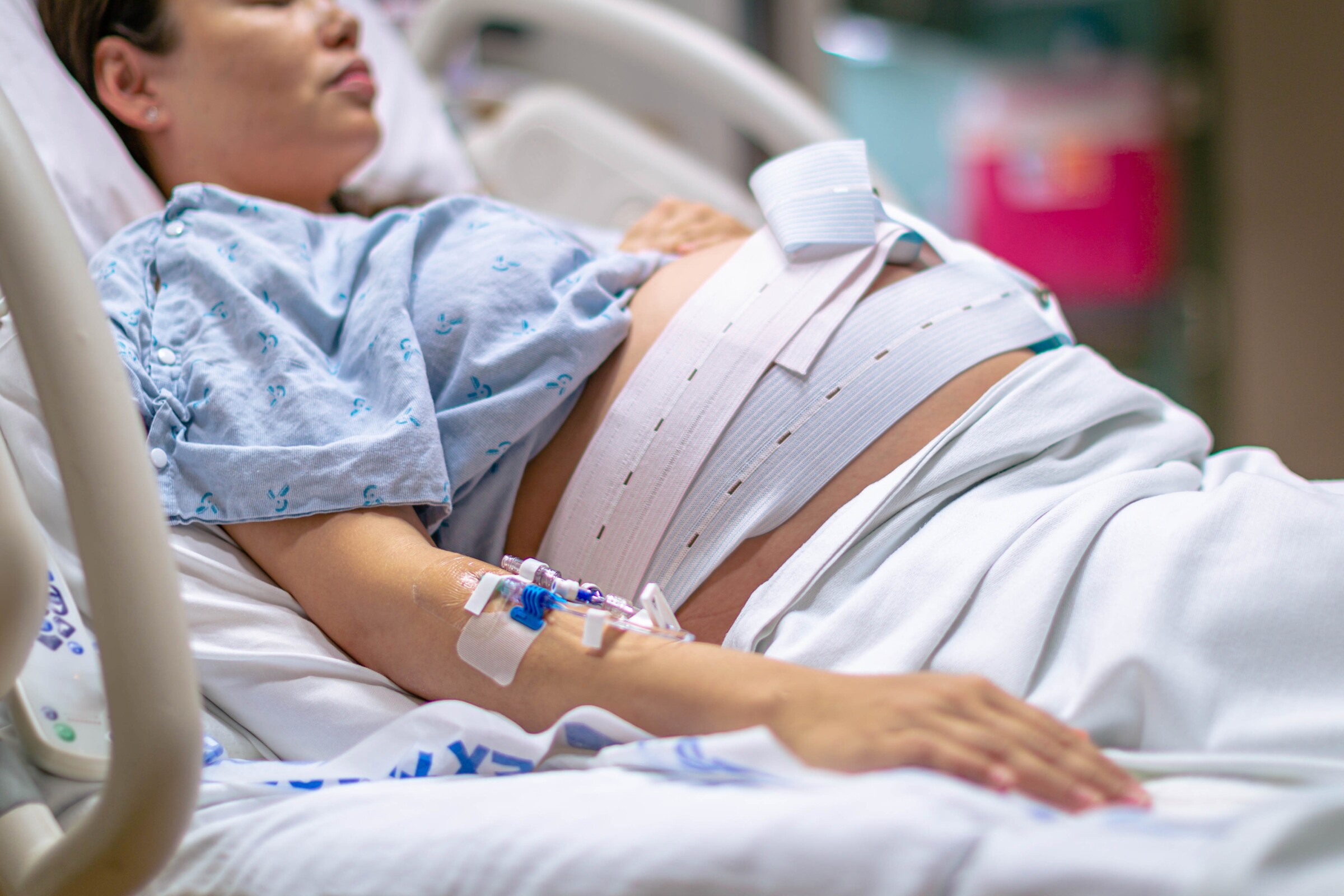
Regular BP measurement, urine protein dipstick, liver enzymes, platelet count, uric acid and foetal growth assessment to detect deterioration early.
Antihypertensive Therapy
Safe medications (labetalol, methyldopa, nifedipine) used to keep BP below 150/100 mmHg and prevent maternal stroke and organ damage.
Magnesium Sulphate
IV MgSO₄ — the gold-standard seizure prophylaxis for severe pre-eclampsia, and the first-line treatment for established eclamptic seizures.
Timely Delivery
Delivery is the definitive cure. Timing is carefully balanced between maternal safety and foetal maturity — planned for 37–38 weeks in most managed cases of pre-eclampsia.